


Visa application made simple and reliable
- Upfront costs with zero surprises
- Know exactly when it will arrive
- Track your visa status live
- Completely online from start to finish
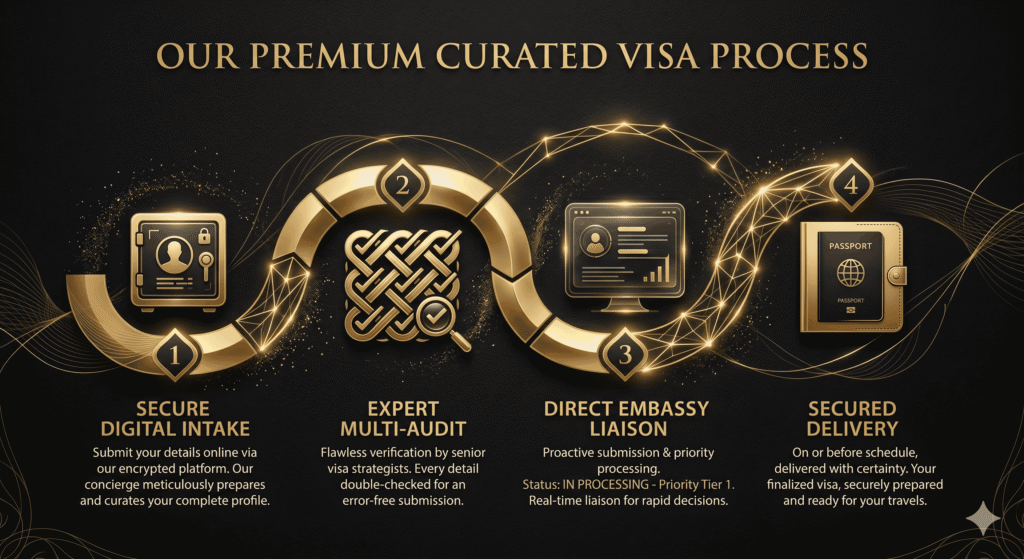
- Expert document review to prevent rejections


Provide your details below, and a dedicated visa consultant will be in touch with you shortly.>
Yes, Indian passport holders need a valid visa, specifically a Schengen visa, to travel to Italy for short stays like tourism, business, family visits, or other approved activities for up to 90 days within 180 days. Italy does not offer visa-on-arrival or visa-free entry for Indian citizens.
No, an interview is not required when applying for an Italy Schengen visa.
However, in special circumstances, such as when there are discrepancies in your application or if the visa officer deems it necessary for further assessment, an interview may be requested. This is generally to clarify details or gather more information to ensure the integrity and accuracy of your application.
For an Italian tourist visa, you must demonstrate that you have sufficient funds to cover your stay in the Schengen Area. Based on the Italian subsistence table, here are the minimum funds you require for an Italian visa:
For stays of 1 to 5 days: A fixed amount of €269.60 is required, which is reduced to €212.81 if you travel with others.
For stays of 6 to 10 days: You need a daily amount of €44.93 or €26.33 per person if travelling with others.
For stays of 11 to 20 days: You need a fixed amount of €51.64 plus a daily amount of €36.67. If travelling with others, the fixed amount is reduced to €25.82 and the daily amount to €22.21 per person.
For stays longer than 20 days: You require a fixed amount of €206.58 and a daily amount of €27.89. If travelling with others, this is reduced to a fixed amount of €118.79 and a daily amount of €17.04 per person.
To show that you have enough funds, you can submit the following:
Bank statements: Provide signed and stamped bank statements from the last 3 months. You can request these from your bank in person or, if available, via online banking for stamped digital copies. Ensure the statements clearly reflect your financial stability and ability to cover your travel expenses.
Investments and mutual funds: If you have mutual funds, fixed deposits, or other investments, submit official statements from your financial institution. These documents should detail the current value of your assets and be signed and stamped by the issuing institution.
To demonstrate that you can financially support yourself during your stay in Italy, you will need to provide the following financial documents:
Bank statements: Submit original bank statements from the past three months. These statements should show regular income, such as salary credits, and maintain a healthy balance.
Income tax returns (ITR): To prove your financial stability, provide copies of your ITR filings for the past two years.
Salary slips: If you are employed, include your salary slips from the past three to six months.
Proof of investments: You can also submit documents that show other assets, such as fixed deposits, mutual funds, or property, as additional financial proof.
Your passport must be valid for at least three months after your planned departure from the Schengen Area. So, if your passport is close to expiring, it's recommended that you renew it before applying for an Italian visa.
If you lose your passport with an Italian visa while travelling, you should immediately report the loss to the local police and obtain a police report. After that, you must visit the nearest Indian embassy or consulate to apply for an emergency passport. Also, contact the Italian consulate to inform them of the loss and inquire about the possibility of reissuing the visa.
Yes, you can apply for a Schengen visa even if your accommodation isn’t fully confirmed at the time of application. However, you must provide proof that you have made temporary arrangements. These arrangements can include hotel reservations or an invitation letter from friends or family with whom you plan to stay. These documents show that you have taken steps to secure a place to stay during your visit, which is crucial for the visa application process.
The 90/180 rule is a key guideline for travellers with a Schengen visa, determining how long you can stay within the Schengen Area. It states that you can remain in the Schengen Zone for up to 90 days within any 180-day period. These 90 days can be used consecutively or spread across multiple trips, but your total stay cannot exceed 90 days within any rolling 180-day timeframe.
Here's how it works:
Day counting: Start counting your days from the first day you enter a Schengen country. Each day you spend in the Schengen Area counts toward your 90-day limit.
180 Days: The 180 days are like a rolling window. It keeps moving forward as you move forward in time. So, whenever you want to enter a Schengen country, you must look back over the last 180 days. If you've stayed 90 days already within that period, you have to wait until some of those days "fall out" of the 180-day window before entering again.
Stay within the 90-day limit: You can use your 90 days all at once or spread them out with shorter visits. Just make sure that when you add up all the days you've spent in the Schengen Area during any 180-day period, it doesn't exceed 90 days.
Example:
If you go to Italy on January 1st and stay for 30 days, then leave and come back on March 1st for another 30 days, you've used up 60 of your 90 days. If you want to visit again in May, you can only stay for 30 more days before reaching your 90-day limit within that 180-day window.
Yes, you can apply for a Schengen visa from a country other than India if you are legally residing in that country. You must provide proof of your legal residency, such as a residence permit or visa, along with your application.
If your passport has only one empty page left, it might be sufficient for a visa to be issued. However, remember that immigration authorities at your destination may require additional blank pages for entry and exit stamps.
Recommendation: If you have limited blank pages remaining, it's advisable to renew your passport. The Indian passport renewal through the 'Tatkal' (express) service typically takes about 3 days.
The Italy visa processing time for Indians typically takes 15 working days from the receipt of a complete application.
However, this timeframe may be extended if the interview is required, additional documentation requests, or increased application volumes during peak travel seasons.
The Italy visa fees for Indians are, for Adults: €90, for Children (6-12 years): €45, and for Children under 6 years: Free of cost.
Authorised by the government: Postmyvisa is authorised by the United Arab Emirates government to handle your visa application.
Easy to use: PostMyVisa is easy to use and allows you to apply for your visa in under 10 minutes, allowing for a seamless process.
Convenient document upload: You can easily upload your photo and passport by either selecting files from your device or using the camera on your smartphone or laptop.